Bedding Materials
Cotton, Wool, or Silk? Comparing Materials for a More Comfortable Bed
A mattress pad is a quiet but consequential layer: it can soften the surface, help protect the mattress, and subtly shape the way a bed feels from season to season. Cotton, wool, and silk each bring a distinct character to that arrangement. The best choice is not simply the most luxurious-sounding fiber, but the one that suits your preferred feel, climate, care routine, and mattress.
The small layer with a noticeable effect
A mattress pad occupies an interesting middle ground in bedding. It is more substantial than a sheet, but generally less transformative than a thick topper. Depending on its fill and construction, a pad may add a light cushion, create a smoother surface, or act as a buffer against everyday wear. It does not usually replace the support system of a mattress, and it cannot correct a mattress that is no longer comfortable or supportive. Its role is more nuanced: a considered finishing layer that can refine the feel of the bed.
Material matters, but it is only part of the story. The fibers inside a pad influence its softness, weight, and approach to moisture. The cover affects the hand-feel against the sheet. Quilting can keep fill distributed and create a loftier surface, while the attachment system determines whether the pad stays neatly in place. Care instructions, mattress depth, and the way the pad is secured are just as relevant as the name of the fiber on the label.
Cotton, wool, and silk are often grouped together as natural bedding materials, yet they are not interchangeable. Cotton has a familiar, easygoing character; wool is valued for its spring and moisture-handling qualities; silk offers a light, smooth feel. Understanding those differences helps turn a vague search for “more comfort” into a practical decision.
Cotton: familiar softness and straightforward care
Cotton has earned its place in bedding through versatility. It can be woven into crisp, smooth, or textured fabrics, and it is used both as a cover material and as fill. A cotton-filled mattress pad often offers a gently cushioned feel without the pronounced loft of a thick topper. For sleepers who want to soften the immediate surface while keeping the character of the mattress largely intact, that restrained profile can be appealing.
One of cotton’s practical advantages is that many cotton bedding products are designed for routine washing. That said, “cotton” does not automatically mean machine washable: the complete construction, stitching, skirt, and manufacturer’s care instructions all matter. Always check the label before laundering, and pay attention to whether the product needs a large-capacity machine or a particular drying method. A washable pad can be especially convenient in a busy household, but frequent washing should still follow the care guidance to help preserve its shape and seams.
Cotton is also a useful choice for people who prefer a material with a familiar, breathable feel. Its performance depends on the specific weave, fill weight, and blend. A cotton cover may feel quite different from a cotton-blend cover, while a thickly quilted cotton pad will not have the same surface as a thin, smooth layer. In other words, fiber names are a starting point, not a complete description of the experience.
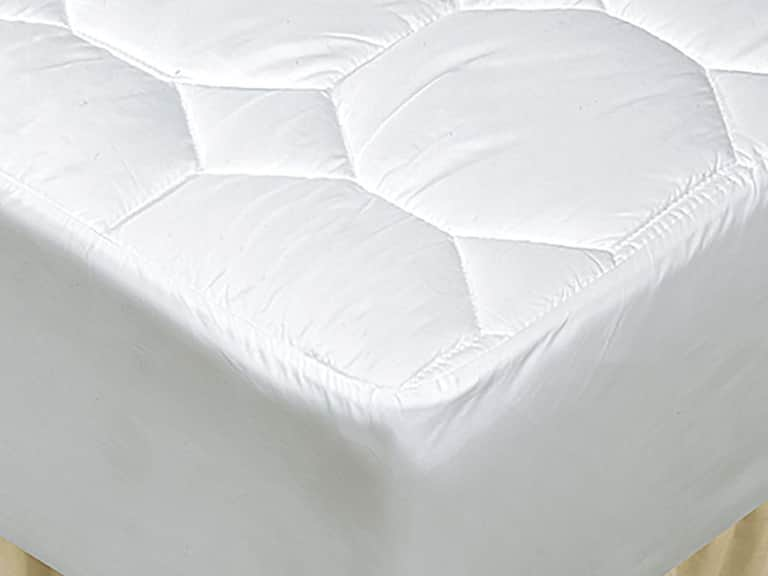
The DownTown Company Luxury Cotton Mattress Pad combines 100% cotton fill with a cotton-blend honeycomb-quilted cover. Its 18-inch deep pockets and flexible jersey-knit skirt are intended to secure the pad around the mattress, and it is listed as machine washable. Those details make it a relevant example for anyone comparing a softly cushioned cotton layer with more specialized materials.
For a different construction, the DownTown Company Comfort Quilted Mattress Pad uses a cotton-polyester fill with a terry microfiber surface and channel quilting. A blend can change the texture and practical qualities of a pad, so it is worth reading the full material description rather than relying on a product name alone.
Wool: resilient loft and a considered feel
Wool has a distinct presence in bedding. Its natural crimp gives fibers a springy quality, and wool fill is often used in pads and toppers for a soft, resilient layer. It may appeal to sleepers who want cushioning with a little structure rather than a slick or sharply smooth surface. Wool products can also be described as moisture-managing or temperature-regulating; how those qualities feel in practice depends on fill amount, cover fabric, room conditions, and the sleeper.
Compared with a thin cotton pad, wool may feel loftier and more substantial. It can be a good candidate for someone who wants to add a gentle buffer without changing the mattress’s underlying support too dramatically. However, a pad’s thickness and density matter as much as its fiber. A lightly filled wool pad and a deep wool topper are different propositions, even if both use wool.
Care deserves particular attention. Wool bedding may require dry cleaning, spot care, airing, or another method specified by its maker. It should not be assumed that a natural fiber is automatically easy to clean, nor that all wool products share the same instructions. Before choosing, consider how often you expect to launder or refresh the layer, whether you have access to the recommended service, and whether a removable cover is included.
The DownTown Company Wool-Filled Mattress Pad is described as having 100% Merino wool fill, a quilted cotton jersey cover, and elastic corner bands. Its care instructions specify dry cleaning. That combination offers a useful example of the trade-off many shoppers weigh: the tactile appeal and natural composition of wool against a more specialized cleaning routine.
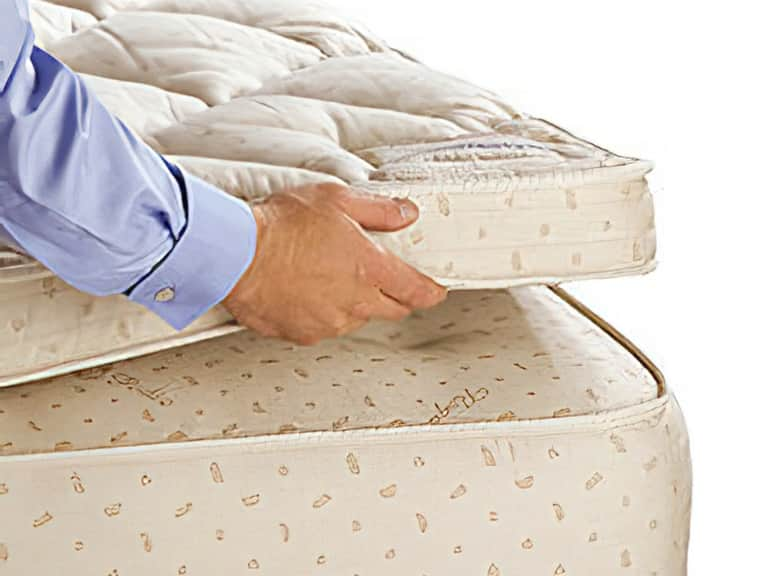
Wool also appears in thicker layers that function more like toppers than conventional mattress pads. The Royal-Pedic Premier Natural 3-inch Pillowtop Pad, for instance, is a substantial wool-filled topper designed to add cushioning. Because it is three inches thick, it will alter the feel of a bed more noticeably than a slim protective pad. When comparing options, distinguish between these categories rather than treating “pad” and “topper” as synonyms.
Silk: light, smooth, and more particular about care
Silk brings a different mood to the bed: light in weight, smooth to the touch, and often associated with a refined, close-to-the-body feel. In a mattress pad, silk is typically used as fill beneath a fabric cover. The resulting surface is not necessarily as slippery as silk clothing or pillowcases, because the cover and quilting shape the sensation. Still, silk-filled bedding tends to be chosen by people who value a less bulky layer and a softer, more delicate finish.
Silk can be attractive to sleepers who dislike the feeling of a heavy pad or who want a gentle layer rather than pronounced plushness. Product construction is decisive here. Fill weight, quilting pattern, cover weave, and corner attachment all influence how the pad lies on the mattress and how it feels under a fitted sheet. A smooth surface may be the priority for one person; another may prefer a more textured, substantial hand.
Maintenance is often the deciding factor. Some silk-filled pads require dry cleaning or careful handling, and not every silk product can be washed at home. A care label should be treated as part of the product’s design, not an afterthought. If easy, frequent laundering is central to your routine, a washable cotton option may be simpler. If you are comfortable following more specialized instructions, silk may be worth considering for its lightness and distinctive feel.
The DownTown Company Luxury Silk Mattress Pad is described as having 100% silk fiber fill, a cotton cover, and corner elastic anchor bands. Its care instructions specify dry cleaning. The cover and attachment details are important alongside the silk itself: they help explain how the fill is enclosed and how the pad is intended to sit on the bed.
A closer comparison: feel, care, and everyday use
It is tempting to rank mattress pad materials from best to least desirable, but the more useful comparison is between priorities. Cotton often suits a shopper seeking familiar softness and a potentially simpler wash routine. Wool can provide a springier, more substantial layer, with care that may be more involved. Silk tends toward a light, smooth character and may also call for specialized cleaning. These are broad tendencies, not guarantees; product specifications should always take precedence over general expectations.
| Material | Typical feel | What to check | Care considerations |
|---|---|---|---|
| Cotton | Familiar, softly cushioned, and available in a range of textures | Fill percentage, cover weave, quilting, and skirt depth | Some pads are machine washable; follow the individual care label |
| Wool | Resilient, springy, and potentially more substantial | Fill weight, pad versus topper thickness, and attachment style | May require dry cleaning or other specialized care |
| Silk | Light, smooth, and often less bulky | Cover fabric, quilting, fill details, and secure fit | Some products require dry cleaning or careful handling |
Moisture handling is another point of comparison, particularly for people who tend to feel warm at night. Wool and silk are often selected for their moisture-related qualities, while cotton’s breathability can be appealing in a comfortable, familiar bedding layer. But a pad is only one part of the sleep environment. Room temperature, humidity, sheets, pajamas, mattress materials, and personal preference all contribute to the way a bed feels. No fiber can guarantee a particular temperature experience for every sleeper.
Durability also cannot be judged by fiber name alone. Construction quality, how often the pad is used and cleaned, the fit on the bed, and the care it receives all make a difference. Quilting may help keep fill distributed, while a well-fitting skirt or elastic anchor can reduce shifting. A pad that slides or bunches is unlikely to feel comfortable, even if its fiber is appealing on paper.
Construction is the quiet difference-maker
Before settling on cotton, wool, or silk, look closely at how the layer is made. A quilted construction joins the cover and fill at regular points or in a pattern, helping hold the materials in position. The pattern may also influence how loft is distributed across the surface. Channel quilting, honeycomb quilting, and other designs each create a different visual and tactile impression, but appearance alone does not establish comfort or performance.
Next, consider how the pad attaches. Deep pockets are designed to accommodate taller mattresses, while elastic corner bands or anchor straps secure a pad without a full fitted skirt. Measure the mattress, including any existing topper, before ordering. Check the pocket depth and the product’s stated size against the actual bed; standard mattress dimensions do not account for every mattress profile.
Also distinguish between protection and cushioning. A pad may protect the mattress from ordinary surface wear, but it is not necessarily waterproof or a substitute for a dedicated protector. If protection from spills is essential, verify that the product is specifically designed for that purpose. Likewise, a thin pad may freshen the surface but will not deliver the same change in pressure relief or loft as a thick topper.
Material descriptions should be read with the same care. “Cotton” may refer to the fill, the cover, or one component in a blend. “Wool” might describe a small portion of the construction or the entire fill. Look for clear percentages and details about the casing, skirt, quilting, and country of manufacture where provided. Transparent specifications make comparisons more meaningful and help avoid choosing by a suggestive name alone.
Choose for your routine, not for the label
A useful way to narrow the field is to begin with your daily habits. If you wash bedding frequently and want the simplest possible routine, prioritize products with explicit home-laundering instructions. A cotton pad that is listed as machine washable may fit that preference, provided your washer can accommodate it and the care directions suit your routine. Do not assume a product is washable simply because its fibers sound familiar.
If you value a resilient, gently lofted surface and are willing to follow more involved care directions, wool may be worth a closer look. Consider whether you want a mattress pad that adds a light layer or a thick topper that changes the bed’s feel more substantially. If you are drawn to a light, smooth finish and can accommodate dry cleaning or careful care, silk may be the more appealing choice.
Sleep position and mattress firmness matter, too. A pad can slightly soften the first impression of a firm surface, but a thin layer is unlikely to transform the mattress’s support. Side sleepers may be especially attentive to cushioning around the shoulders and hips, while back and stomach sleepers may prefer a less yielding surface. Since comfort is personal, take advantage of any available trial or return terms and review them before purchase.
- For everyday simplicity: compare washable cotton options and read the laundering instructions in full.
- For resilient cushioning: examine wool fill weight and decide whether a pad or a deeper topper is appropriate.
- For a lighter, smoother layer: look at silk construction, cover details, and cleaning requirements.
- For a secure fit: measure mattress depth and compare it with pocket dimensions or the listed attachment system.
- For mattress protection: confirm that protection is a stated function rather than assuming every pad is spill-resistant.
Care that helps a bedding layer last
Good care begins before the first night. Read the manufacturer’s instructions, note any temperature or drying restrictions, and keep the label accessible. If a pad is machine washable, check the recommended cycle and whether it needs a large-capacity washer. An overfilled machine can place unnecessary strain on seams and quilting. For dry-clean-only products, plan for that requirement as part of the cost and convenience of ownership.
Use a fitted sheet that accommodates the combined depth of the mattress and pad, especially if the layer is thick or lofty. A sheet that is too shallow may pull free; one that is excessively loose may wrinkle and shift. When changing bedding, smooth the pad and inspect the corners for movement or bunching. Simple adjustments can preserve a more even surface and make the bed look composed.
Letting bedding air between changes, where practical, can help it feel fresh, but avoid exposing delicate materials to conditions that conflict with their care instructions. Treat stains promptly according to the manufacturer’s guidance rather than applying harsh products by default. Regular care should be gentle and consistent, not improvised.
The considered choice
There is no universal winner in the cotton-versus-wool-versus-silk conversation. Cotton offers familiarity and can be a practical choice when easy care and softly cushioned comfort are priorities. Wool brings resilient loft and a more substantial character, often paired with specialized cleaning. Silk offers a lighter, smoother sensibility, with care requirements that deserve a close read. The right material is the one whose feel and upkeep make sense in your actual bedroom, not just in a product description.
Begin with the change you want to make. Is the mattress surface too firm, do you want a little protection, or are you trying to create a lighter and smoother finish? Then compare fill, cover, quilting, fit, and care as a single set of decisions. A beautiful bed is not simply a question of luxurious fibers; it is the result of layers that work together, feel right to you, and remain practical long after the first night.
Frequently asked questions
Is cotton, wool, or silk best for a mattress pad?
There is no best material for everyone. Cotton may suit people seeking familiar softness and a product that is specifically listed as washable. Wool may appeal to those who prefer resilient loft and are comfortable with more specialized care. Silk can suit a preference for a light, smooth layer. Construction and maintenance instructions are essential parts of the comparison.
Does a mattress pad make a firm mattress feel soft?
A thin pad can add a modest amount of cushioning, but it usually will not change the underlying support of a mattress. A thicker topper can create a more noticeable change. Consider thickness and fill, and remember that a surface layer cannot remedy a mattress that has lost its support.
Are natural-fiber mattress pads always breathable?
Natural fibers are often chosen for their breathability or moisture-related qualities, but the complete construction influences how a product feels. Fill density, cover fabric, quilting, sheets, room conditions, and personal comfort all matter. Look at the full specifications rather than relying on a broad material claim.
How do I know whether a mattress pad will fit?
Measure the mattress depth and compare it with the pad’s pocket or attachment specifications. If you already use a topper, include its height in the total. Confirm the mattress size as well, since labels such as Queen or King do not describe the depth of the bed.